Quality Control at SIERRA: Built Into Every Stage of Manufacturing
At SIERRA, quality control is not a final checkpoint added at the end of production. It is a disciplined system applied throughout the full manufacturing cycle to ensure that every valve meets customer specifications, industry requirements, and performance expectations before release. The Production & QC page presents quality as part of Sierra’s mission, stating that partners must be able to rely on Sierra’s products and services to consistently meet their specifications and requirements.
Quality Policy, We fulfill our Mission to enable our partners of building and sustaining communities. Quality for our partners means they can rely on our products and services to consistently meet their specifications and requirements.
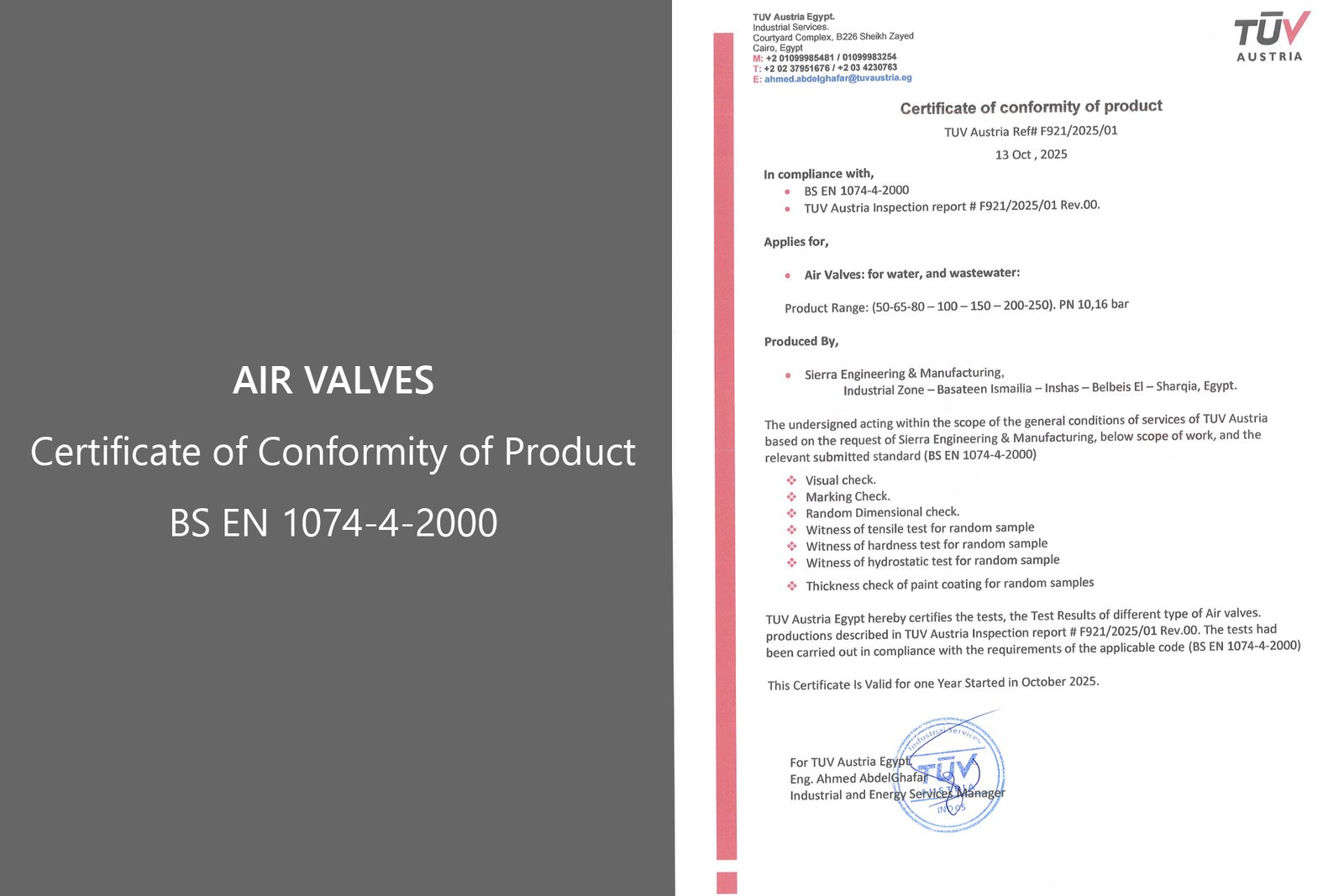
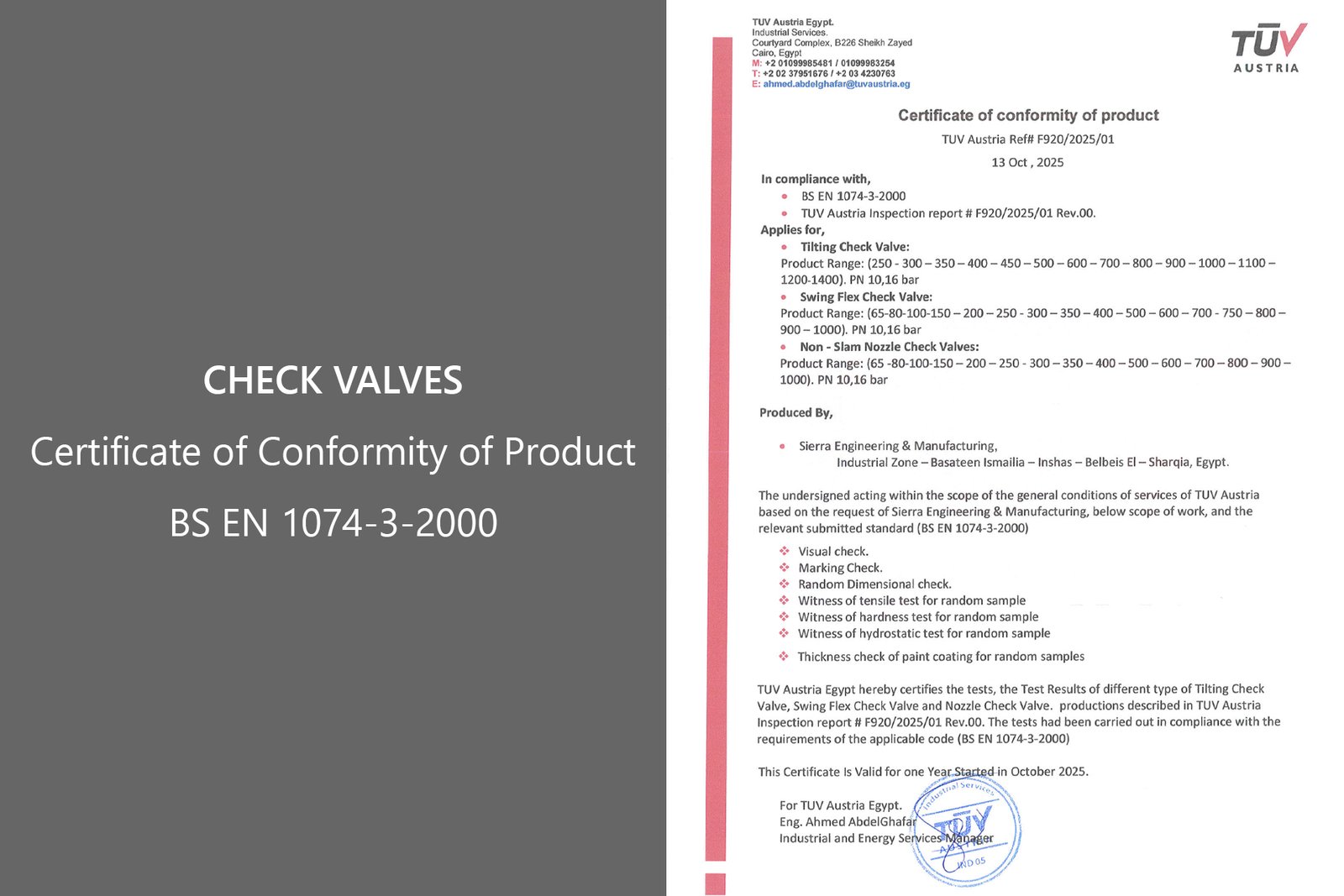
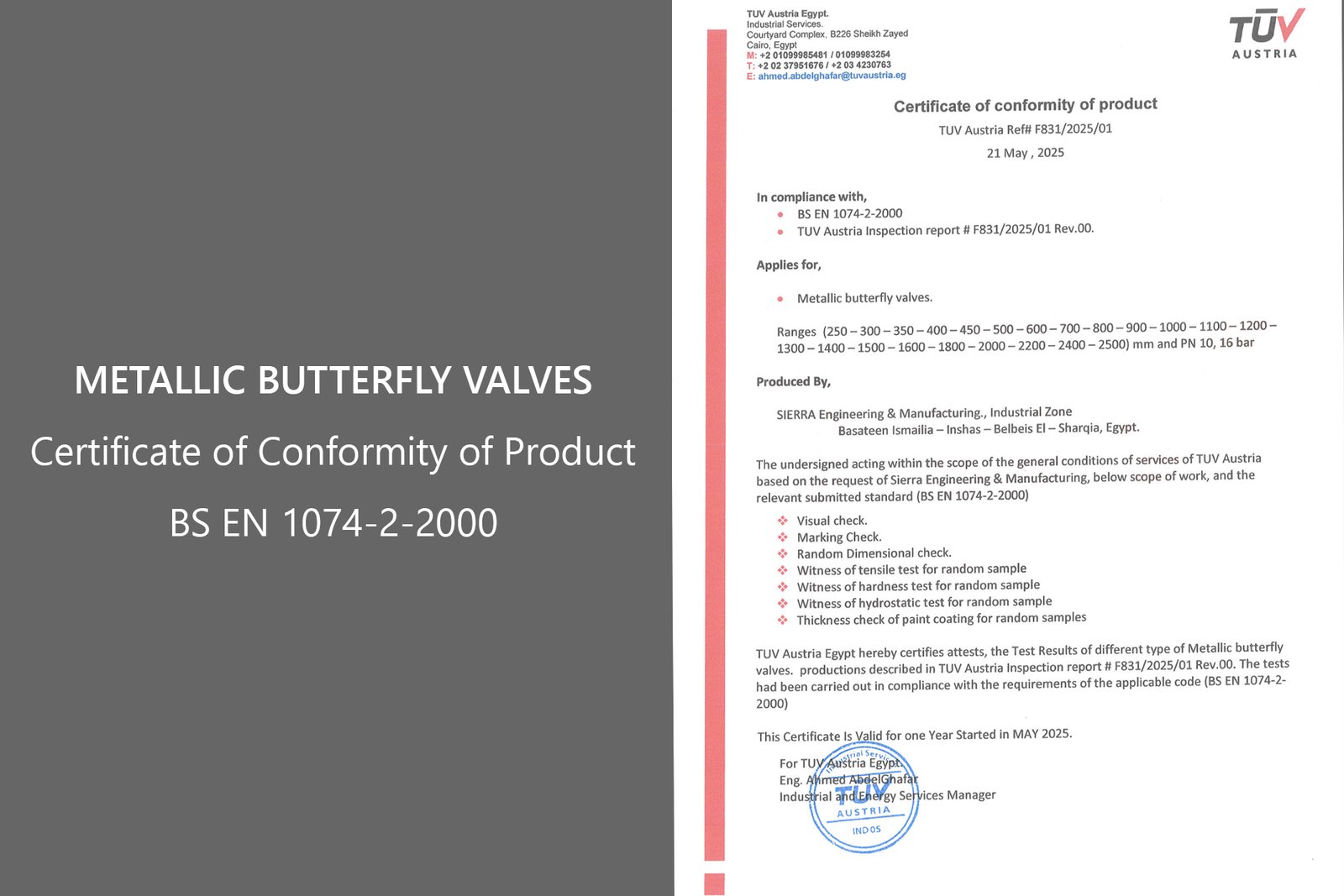
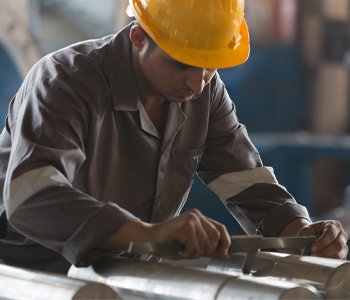
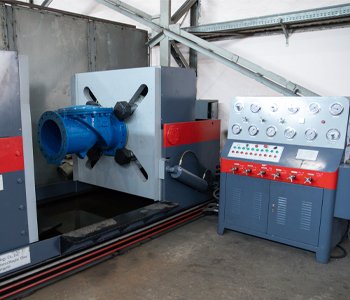
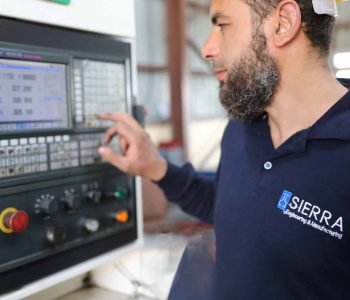
Sierra QC process is strictly adhered to throughout the manufacturing cycle and includes a combination of in house inspection, ISO required process and audits by outside entities such as Inspection of all parts from outside suppliers are in process inspection during casting, machining and assembly and then final inspection prior to shipping ensures that all customers and industry requirements are met including documentation and special testing.. No valve leaves our facility until its pressure tested before final approval.
Why QC Matters in Industrial Valve Engineering?
A Quality System Integrated Into the Manufacturing Cycle
SIERRA’s quality control process is described as being applied across the entire manufacturing cycle, combining in-house inspection, ISO-required processes, and audits by outside entities. The page also states that inspection covers supplied parts, casting, machining, assembly, final inspection, documentation, and special testing where required. This is an important point for a website article because it positions quality control as a production system rather than a single inspection activity. In practice, that means quality is monitored from the moment materials and parts enter the facility until the finished valve is approved for shipment.
Incoming Inspection and Supplier Control
Effective quality begins before manufacturing starts. SIERRA states that its QC process includes inspection of all parts received from outside suppliers. This step is critical because it helps verify that incoming materials and components meet the required specifications before they are introduced into production.
By controlling the quality of supplied parts at the entry stage, Sierra reduces the risk of defects moving downstream into casting, machining, assembly, or final testing. This supports better traceability, stronger consistency, and more reliable final product performance. This traceability focus is also reinforced by Sierra’s material-control language on the same page, where the company describes laboratory verification of metallurgical compliance and material standards.
In-Process Inspection During Casting, Machining, and Assembly
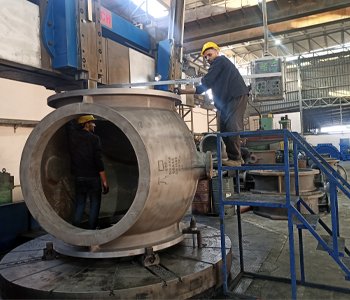
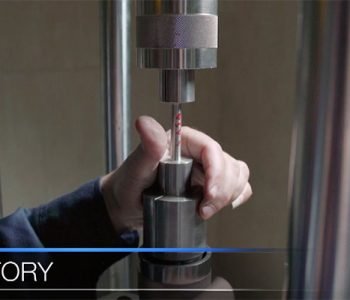
The Production & QC page states that SIERRA performs in-process inspection during casting, machining, and assembly. This is one of the strongest elements of the quality story because it shows that Sierra does not wait until the end of production to identify issues. In casting, quality control is supported by metallurgical control in Sierra’s onsite laboratories, where the company performs chemical analysis, tensile testing, hardness testing, and microstructure examination to ensure compliance with material specifications and standards.
In machining, Sierra states that machining and welding are carried out in its own facility under stringent quality control. This helps maintain dimensional accuracy, production consistency, and tighter control over the final quality of machined valve components.
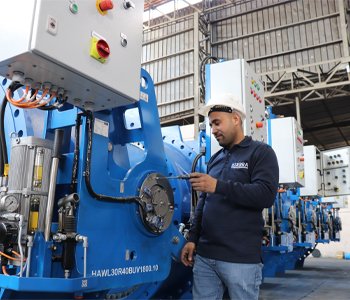
In assembly, quality control continues as skilled workers assemble valves according to client requirements. This means the product is checked not only for technical conformity, but also for alignment with the application and order specification.
Metallurgical Testing as Part of Quality Assurance
A major strength in Sierra’s QC capability is its emphasis on metallurgy. The page states that ductile iron production is controlled in state-of-the-art laboratories and that testing includes chemical analysis, tensile testing, hardness testing, and microstructure evaluation. This matters because valve quality begins with material quality. Structural integrity, pressure resistance, durability, and service life all depend on the consistency and conformity of the base material. By controlling metallurgy through laboratory verification, Sierra supports quality at the source rather than only at the final stage.
Final Inspection and Documentation Control
Before shipment, Sierra’s QC system includes final inspection to ensure that customer requirements and industry requirements are met. The page also refers to documentation and special testing when required.
This is important because quality assurance is not only about physical product checks. It also includes inspection records, supporting documents, and any additional testing needed to confirm compliance for a particular project or service condition. A strong website version should highlight this because it gives customers confidence that product release is controlled and documented.
100% Pressure Testing Before Release
One of the clearest and most credible statements on the page is that 100% pressure testing is carried out using modern testing benches, and that no valve leaves the facility until it is pressure tested before final approval. This should be a central message in the article because it turns the quality claim into a measurable release rule. It tells the customer that pressure integrity and product reliability are verified on every valve, not just by sampling or assumption.